
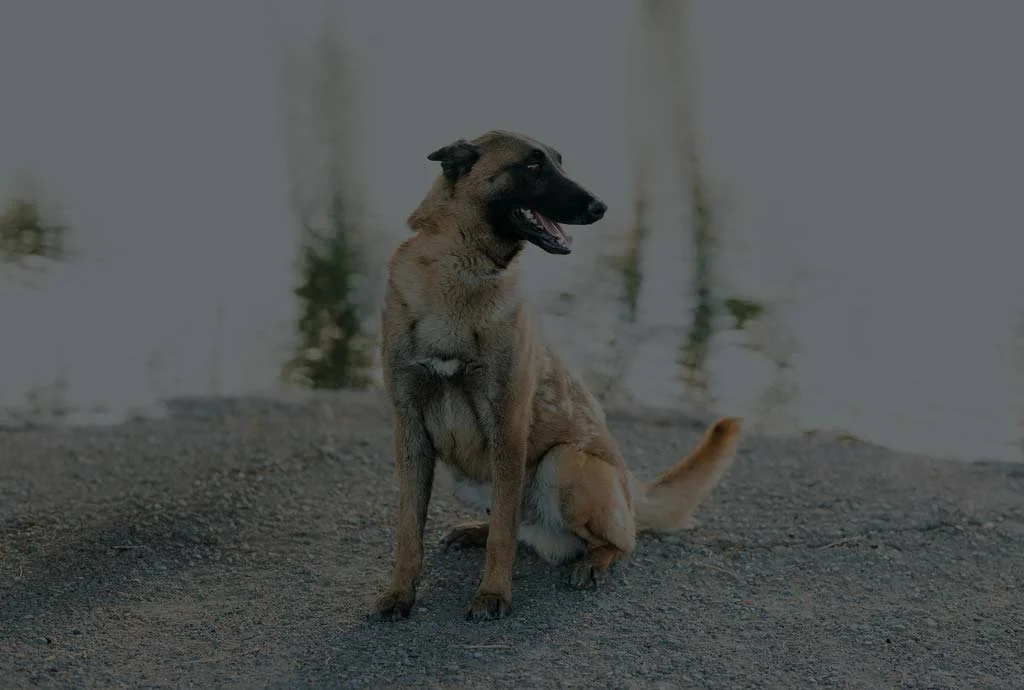
About High Sierra K9 Rescue
High Sierra K9 Rescue is a Nevada nonprofit dog rescue dedicated to helping at-risk dogs find safe, appropriate homes while supporting the people who care for them.
Our mission is simple: to provide compassionate support, trusted resources, and real solutions for dogs and the people who love them. Built on years of hands-on experience in training, rescue, and animal care, we are dedicated to improving the lives of dogs through education, advocacy, rehabilitation, and community connection. Whether helping families find the right canine companion, supporting responsible ownership, or giving dogs a second chance, High Sierra K9 Rescue is committed to creating safer, healthier, and happier futures — one dog at a time.
our policies
….and disclaimers.
-
High Sierra K9 Rescue is committed to rescuing dogs that are at the highest risk of euthanasia, abandonment, neglect, or abuse. The organization primarily focuses on medium and large breed dogs, including German Shepherds, Belgian Malinois, Pit Bull-type dogs, and other working or guardian breeds that are often overlooked by traditional rescues and shelters.
The rescue specializes in dogs that may require additional rehabilitation, structure, medical support, or behavioral assessment. This includes dogs with behavioral challenges, dogs surrendered for aggression or anxiety-related concerns, dogs with medical needs or injuries, and dogs considered “last chance” or “last resort” cases by overcrowded shelters or prior owners. High Sierra K9 Rescue evaluates each dog individually to determine whether the organization has the resources, appropriate placement options, and safe environment necessary to provide care and rehabilitation.
While High Sierra K9 Rescue strives to help the most vulnerable dogs possible, intake decisions are based on available foster space, funding, safety considerations, and the rescue’s ability to responsibly manage the needs of each animal. The organization prioritizes dogs facing immediate euthanasia deadlines, medical hardship, abandonment, or situations where no other rescue placement is available.
The mission of High Sierra K9 Rescue is to provide structure, rehabilitation, advocacy, and a path toward safe and successful placement for dogs that might otherwise have no remaining options.
-
High Sierra K9 Rescue evaluates all dogs individually to determine whether placement, rehabilitation, behavioral support, or sanctuary options may be appropriate and safely achievable. Because the rescue frequently works with high-risk, working-breed, behaviorally challenged, and “last chance” dogs, behavioral evaluations are designed to gather as much accurate history and context as possible prior to intake consideration.
Behavioral evaluations may include review of bite history, prior incidents involving humans or animals, shelter or rescue records, veterinary evaluations, trainer assessments, owner disclosures, and direct observation of the dog’s behavior when safely possible. The rescue places significant importance on transparency from owners, shelters, veterinarians, and trainers regarding any known aggression, reactivity, prey drive, resource guarding, anxiety, escape behaviors, or prior management concerns.
High Sierra K9 Rescue recognizes that aggression and behavioral issues may result from genetics, poor breeding, trauma, neglect, lack of structure, improper handling, medical conditions, chronic stress, or environmental instability. For that reason, dogs are not automatically excluded solely for displaying behavioral challenges or bite histories. Each case is evaluated individually based on severity, predictability, safety risks, quality of life, rehabilitation potential, available resources, and appropriate placement options.
Dogs with known or suspected behavioral concerns may require:
Veterinary evaluation to rule out medical causes of aggression or behavioral change
Structured decompression periods
Muzzle conditioning and management protocols
Professional behavioral assessment
Controlled introductions to people and animals
Ongoing training and rehabilitation plans
The rescue may request and review:
Animal control reports
Veterinary records
Trainer evaluations
Medication history
Bite incident documentation
Prior adoption or surrender records
High Sierra K9 Rescue reserves the right to decline intake of any dog whose behavioral presentation creates an unreasonable safety risk to staff, volunteers, foster homes, the public, or other animals, or when the organization lacks the appropriate resources to safely and responsibly manage the dog’s needs.
The goal of the organization is to provide honest assessment, humane handling, structured rehabilitation, and realistic placement opportunities whenever safely possible, while prioritizing public safety, animal welfare, and responsible rescue practices.
-
High Sierra K9 Rescue is committed to placing dogs in safe, stable, and permanent homes that are appropriate for each individual animal’s temperament, energy level, training needs, and behavioral history. Because many dogs in the organization’s care come from neglect, abandonment, overcrowded shelters, or behavioral-risk situations, careful screening is necessary to ensure successful long-term placements.
All potential adopters are required to complete an adoption application and consultation process. Applications are reviewed to assess compatibility between the adopter, household, lifestyle, experience level, and the needs of the specific dog being considered. Approval is based on the best interest of both the dog and the adopting family and is not granted on a first-come, first-served basis.
Adoption screening may include:
Review of the completed adoption questionnaire
Verification of identity and residence
Landlord approval for renters
Veterinary references and prior pet ownership history
Discussion of training, containment, activity level, and household expectations
Evaluation of experience with working breeds, large breeds, or behavioral dogs when applicable
Meet-and-greet appointments with household members and existing pets
Follow-up communication prior to and after adoption placement
High Sierra K9 Rescue reserves the right to deny any adoption application if the organization believes the placement would not be in the best interest of the dog or the adopting household. Factors considered may include, but are not limited to, unsafe living conditions, inability to provide proper care or veterinary treatment, incompatible lifestyle or experience level, history of animal neglect or abuse, or failure to disclose requested information accurately.
Some dogs may require specialized placement criteria due to behavioral, medical, or training needs. This may include requirements such as secure containment, breed experience, structured training plans, adult-only homes, or homes without certain animals. The rescue works closely with adopters to provide honest information regarding each dog’s needs and to help create realistic, successful placements.
The organization’s goal is to place every dog into a committed home prepared to provide lifelong care, structure, safety, training, and responsible ownership. Adoption approval is intended to support successful long-term outcomes for both the dog and the adopter.
-
High Sierra K9 Rescue is committed to providing compassionate care, rehabilitation, advocacy, and humane treatment for every dog accepted into the organization. The rescue specializes in helping dogs that are often considered difficult, behaviorally challenged, medically compromised, abandoned, neglected, or at risk of euthanasia. Because of this mission, euthanasia is considered only as a last resort after reasonable efforts to evaluate treatment, rehabilitation, management, placement, or sanctuary options have been explored.
Behavioral euthanasia may be considered in rare circumstances involving severe aggression, unpredictable dangerous behavior, repeated unprovoked attacks, or situations where a dog presents an ongoing and unreasonable risk to people, other animals, or the community, and where rehabilitation or safe long-term management is not realistically achievable. Decisions involving severe behavioral concerns may include consultation with veterinarians, trainers, behavior professionals, shelter partners, foster providers, or rescue leadership when appropriate.
Humane euthanasia may also be considered for dogs suffering from severe illness, catastrophic injury, untreatable pain, terminal medical conditions, or poor quality of life where continued treatment would result in prolonged suffering without a reasonable expectation of recovery or comfort.
All euthanasia decisions are made on a case-by-case basis and are guided by considerations of safety, welfare, quality of life, prognosis, available resources, and humane responsibility. High Sierra K9 Rescue does not euthanize for convenience, kennel space, breed, age alone, or treatable medical or behavioral conditions when reasonable alternatives are available.
When euthanasia is deemed necessary, the procedure will be performed humanely by a licensed veterinarian or under appropriate veterinary supervision in accordance with applicable laws and veterinary standards.
The organization recognizes the emotional weight of these decisions and remains committed to balancing compassion, public safety, humane treatment, and responsible rescue practices in every case.
-
High Sierra K9 Rescue relies heavily on responsible, stable foster homes to provide temporary care, structure, safety, and rehabilitation for dogs in the organization’s program. Because many of the dogs accepted by the rescue are large breeds, working breeds, medically compromised, behaviorally challenged, or high-risk shelter dogs, foster placements are carefully screened to ensure the environment is appropriate for the specific needs of each individual dog.
All foster homes must provide a clean, safe, secure, and humane living environment. Foster applicants should have adequate space, safe containment, and the ability to responsibly supervise and manage the dog at all times. Secure fencing is strongly preferred, particularly for large breeds, working dogs, escape-prone dogs, or dogs with behavioral concerns. Homes without fenced yards may still be considered depending on the dog, the foster’s experience level, exercise plan, and containment methods.
Foster applications are evaluated individually based on the compatibility between the foster home and the dog being placed. Factors considered may include:
Presence of children in the home
Existing pets, including dogs, cats, livestock, or small animals
Experience with large breeds, working breeds, or behaviorally challenged dogs
Ability to safely separate animals when necessary
Activity level and daily schedule of household members
Landlord approval, if applicable
Prior animal ownership or rescue experience
Willingness to follow management, training, and medical protocols established by the rescue
Some dogs may require specialized foster homes due to medical, behavioral, or training needs. This may include requirements such as experienced handlers, muzzle management, decompression periods, structured routines, secure containment, or homes without small children or other animals.
The foster approval process may include applications, interviews, veterinary references, property photos, home visits, meet-and-greets, and ongoing communication with rescue staff or volunteers. High Sierra K9 Rescue reserves the right to deny or discontinue any foster placement if the environment is determined to be unsafe, unsuitable, or not in the best interest of the dog or household.
The organization’s goal is to create stable, responsible foster placements that support the physical and emotional wellbeing of each dog while helping prepare them for safe and successful permanent homes.
-
High Sierra K9 Rescue takes all bite incidents and aggressive behaviors seriously and is committed to responding in a manner that prioritizes public safety, humane handling, responsible evaluation, and the welfare of the dog involved. Any bite incident involving a rescue dog, foster dog, volunteer interaction, adopter, member of the public, or another animal must be reported to rescue leadership as soon as safely possible.
Following a reported incident, the dog will be immediately secured and separated as necessary to prevent further injury or escalation. The rescue may require temporary quarantine, veterinary evaluation, behavioral assessment, or additional safety measures depending on the severity and circumstances of the incident. Medical attention should be sought immediately for any injured person or animal when appropriate.
An incident review will be conducted to gather and document relevant information, including:
Date, location, and circumstances of the incident
Individuals and animals involved
Description of injuries sustained
Known triggers or environmental factors
Prior behavioral history
Witness statements, photographs, veterinary records, or animal control reports when available
High Sierra K9 Rescue recognizes that bite incidents can occur for a variety of reasons, including fear, pain, stress, resource guarding, poor handling, environmental pressure, medical conditions, or defensive behavior. Each incident will be evaluated individually, taking into account the severity of the bite, predictability of behavior, escalation pattern, quality of life, rehabilitation potential, and overall safety risk.
Depending on the circumstances, the rescue may implement management or corrective measures including:
Veterinary examination to rule out medical causes
Muzzle conditioning and handling protocols
Behavioral modification plans
Professional trainer or behaviorist consultation
Restricted placement requirements
Transfer to a more appropriate environment
Temporary or permanent removal from foster or adoption placement
In severe cases involving repeated dangerous behavior, unprovoked attacks, inability to safely manage the dog, or significant ongoing public safety concerns, the rescue may determine that humane euthanasia is necessary in accordance with its Euthanasia Policy.
All foster homes, volunteers, adopters, and handlers are expected to follow safety protocols, use appropriate management tools, disclose incidents honestly, and cooperate fully with rescue leadership during any incident review. Failure to report a bite incident or withholding behavioral information may result in removal of a dog from placement, denial of future participation, or other corrective action deemed necessary by the organization.
The organization remains committed to balancing advocacy for difficult dogs with responsible rescue practices, transparency, humane treatment, and community safety.
-
High Sierra K9 Rescue is committed to making thoughtful, responsible, and lasting matches between dogs and adopters. However, the organization understands that despite everyone’s best efforts, not every placement is the right fit for every dog or household. The rescue strongly encourages adopters to contact the organization immediately if they are experiencing concerns or believe a placement may not be working.
Adopters should never feel afraid, embarrassed, or hesitant to discuss returning a dog. High Sierra K9 Rescue would always rather have a dog safely returned to the rescue than placed in an unsafe, stressful, unsuitable, or unstable situation. The organization will never criticize or retaliate against adopters for honestly communicating that a placement is not successful.
All adopted dogs must be returned directly to High Sierra K9 Rescue if the adopter can no longer keep or safely manage the dog, regardless of the reason or the amount of time that has passed since adoption. Dogs adopted through the organization may not be abandoned, surrendered to a shelter, transferred, rehomed, sold, or given away without the knowledge and approval of the rescue.
When a return request is made, the rescue may first attempt to provide support, training recommendations, management strategies, medical guidance, or placement counseling when appropriate. However, if return remains the best option for the dog or adopter, the organization will work to coordinate a safe transition back into rescue care.
Because many dogs in the rescue program come from abandonment, instability, or prior failed placements, the organization believes that honest communication and responsible returns are an important part of ethical rescue work. The goal is always to prioritize the long-term wellbeing, safety, and successful placement of each dog.
High Sierra K9 Rescue remains committed to supporting both its adopters and dogs throughout the lifetime of the placement and encourages adopters to reach out at any time with questions, concerns, or requests for assistance.
-
High Sierra K9 Rescue discloses that many dogs accepted into the organization’s program may come from unknown backgrounds, overcrowded shelters, neglect situations, abandonment cases, abuse, behavioral-risk environments, or prior failed placements. While the rescue makes reasonable efforts to evaluate temperament, behavior, medical condition, and suitability for placement, no guarantee can be made regarding a dog’s future behavior, temperament, reactions, training level, health status, or compatibility with any person, animal, or environment.
Adopters, fosters, volunteers, and handlers acknowledge that dogs are living animals capable of unpredictable behavior, including but not limited to fear responses, prey drive, escape behaviors, destructive behavior, reactivity, resource guarding, aggression, or biting. Certain dogs placed through the organization may require ongoing management, training, supervision, decompression, environmental structure, or behavioral modification.
High Sierra K9 Rescue will disclose known behavioral or medical history to the best of its knowledge at the time of placement. However, the organization cannot guarantee the completeness or accuracy of information received from shelters, prior owners, veterinarians, transporters, trainers, or third parties.
By adopting, fostering, handling, volunteering with, transporting, or otherwise taking possession of a dog from High Sierra K9 Rescue, the individual accepts full responsibility for the care, management, supervision, and control of the dog and assumes all risks associated with ownership or handling of the animal.
The adopter, foster, volunteer, or handler agrees to release, indemnify, and hold harmless High Sierra K9 Rescue, its officers, directors, volunteers, foster providers, agents, and representatives from any and all claims, damages, injuries, liabilities, losses, expenses, or legal actions arising from or related to the behavior, medical condition, actions, or ownership of the dog after placement or transfer of custody.
The organization reserves the right to deny, postpone, or terminate any adoption, foster placement, volunteer activity, or transfer if safety concerns, behavioral risks, misrepresentation, or unsuitable conditions are identified. Safety, humane treatment, responsible placement, and animal welfare remain the organization’s highest priorities.
-
High Sierra K9 Rescue makes no guarantees, warranties, or representations regarding the age, breed, temperament, behavior, training level, health condition, longevity, suitability, or future disposition of any dog placed through the organization. All dogs are evaluated based on the information reasonably available at the time; however, many rescue dogs come from unknown, incomplete, or unreliable backgrounds, including overcrowded shelters, neglect situations, abandonment, or prior failed placements.
The organization cannot guarantee that a dog will be fully house-trained, crate-trained, socialized, non-aggressive, free from medical conditions, compatible with children or other animals, or free from behavioral challenges. Behavior and health may change over time due to stress, environmental changes, maturity, medical conditions, training, management, or other factors beyond the rescue’s control.
Any statements made by High Sierra K9 Rescue regarding a dog’s personality, behavior, health, or suitability are provided as general observations and are not guarantees or promises of future performance or behavior. Adopters, fosters, and handlers are responsible for continuing appropriate training, supervision, veterinary care, management, and safe handling practices following placement.
By accepting placement of a dog from High Sierra K9 Rescue, the adopter or foster acknowledges and accepts that rescue dogs may require ongoing adjustment, decompression, medical treatment, behavioral management, or professional training, and assumes responsibility for providing appropriate care and supervision.
High Sierra K9 Rescue remains committed to honest disclosure, responsible placement practices, and ongoing support whenever possible, but cannot guarantee specific outcomes or long-term compatibility in any placement.
-
Certain dogs placed through High Sierra K9 Rescue may require mandatory training as a condition of adoption or foster placement. This requirement is intended to support successful long-term placements, improve communication between the dog and handler, encourage responsible ownership, and promote public safety.
Mandatory training may be required for dogs identified as high-energy working breeds, guardian breeds, power breeds, behaviorally challenging dogs, dogs with prior training deficiencies, or dogs demonstrating reactivity, anxiety, poor impulse control, fear-based behaviors, or other behavioral concerns. Breeds commonly subject to training requirements may include, but are not limited to, German Shepherds, Belgian Malinois, Dutch Shepherds, Pit Bull-type dogs, Cane Corsos, mastiff breeds, livestock guardians, and other large or high-drive breeds.
Training requirements may include:
Completion of an approved obedience or behavior course
Participation in private training sessions
Proof of enrollment within a specified timeframe
Continued training follow-up or progress updates
Compliance with management protocols recommended by the rescue, trainer, or behavior professional
High Sierra K9 Rescue may require adopters or fosters to work with a trainer approved or recommended by the organization, particularly in cases involving behavioral rehabilitation or specialized management needs. Failure to comply with required training or safety protocols may result in denial of adoption, removal of a foster placement, or return of the dog to the rescue.
The organization recognizes that many working and guardian breeds require structure, leadership, mental stimulation, exercise, and ongoing training in order to thrive successfully in a home environment. Mandatory training requirements are not intended as punishment, but as a proactive measure to support safe, stable, and successful placements for both the dog and the adopter.
High Sierra K9 Rescue remains committed to helping adopters and fosters build safe, positive, and lasting relationships with the dogs in their care through education, responsible ownership, and continued support.
-
High Sierra K9 Rescue reserves the right to reclaim, repossess, or require the return of any dog placed through the organization if the rescue determines, in its sole discretion, that the dog’s safety, welfare, medical care, behavioral stability, or overall wellbeing is at risk, or if the terms of the adoption, foster, or placement agreement have been violated.
Circumstances that may result in reclamation of a dog include, but are not limited to:
Abuse, neglect, abandonment, or unsafe living conditions
Failure to provide adequate food, shelter, veterinary care, exercise, or humane treatment
Failure to comply with required training, behavioral management, or safety protocols
Unauthorized transfer, sale, breeding, gifting, or surrender of the dog
Providing false or misleading information during the application or placement process
Failure to maintain proper containment or supervision
Use of the dog for illegal purposes or unsafe activities
Situations involving repeated bite incidents, dangerous handling practices, or significant public safety concerns
Violation of local animal laws or ordinances
If High Sierra K9 Rescue determines that reclamation is necessary, the adopter, foster, or handler agrees to cooperate fully and immediately surrender the dog upon request. The organization reserves the right to enter into reasonable arrangements for retrieval of the dog and may pursue legal remedies if necessary to protect the animal’s welfare or enforce the terms of the agreement.
Any adoption or placement fees previously paid may be considered non-refundable, particularly in cases involving breach of contract, neglect, misrepresentation, or violation of rescue policies.
The purpose of this clause is to ensure that all dogs placed through High Sierra K9 Rescue continue to receive safe, humane, and responsible care throughout their lives. The organization remains committed to protecting the welfare of every dog entrusted to its program.
DIRECTOR: HOLLY COTE
BOARD MEMBERS:
BRENT COPELAND, CHAIR
DARILYN KOTZENBERG
BAILEY LISSNER
MICHAEL REEVES
Questions?
Please contact us. We would love to help you find your next best friend.